Course Includes:
- Full lifetime access
- Access on any device
- Certificate of Completion



Lithuania’s employment immigration framework requires most third-country nationals coming to work to obtain Lithuanian residence permission, subject to specific exceptions. Employment-based temporary residence procedures involve the employer, Migration Department and, where applicable, the Employment Service. This training provides practical knowledge of employer sponsorship, employment eligibility, temporary residence permits, labour-market requirements, supporting documents, work authorisation and current employment quotas. The course is designed for immigration consultants, recruitment agents, HR professionals, visa filing specialists and caseworkers handling Lithuania employment immigration cases. Through World Visa Academy’s structured training, learners develop skills to assess foreign-worker profiles, coordinate employer documentation, prepare employment-based residence applications and manage renewals and employment changes. The course focuses on professional case preparation without guaranteeing employment, permit approval or residence.
A structured path from fundamentals to real application
Understand Lithuania’s current framework for employing third-country nationals and the relationship between employment and temporary residence. Learn why a national visa or residence permit from another country does not generally provide the right to work in Lithuania and identify the main exceptions.
Learn how to assess the Lithuanian employer, proposed position, employment relationship, applicant qualifications and applicable labour-market requirements. Develop a structured screening process for determining whether the applicant should proceed through an employment-based temporary residence route or another available category.
Master the employment-based temporary residence framework and understand when a separate work permit or Employment Service decision may be relevant. Learn how employer mediation documents, applicant evidence and the purpose of residence fit into the overall case structure.
Develop practical skills for preparing passport, employment, qualification, criminal-record, accommodation and other supporting evidence. Learn how applications are submitted through MIGRIS and how applicants may complete required procedures through the Migration Department or designated external service-provider locations.
Understand Lithuania’s employment quota framework and how quota exhaustion can affect new employment-based temporary residence applications. Learn about applicable exceptions and the additional conditions that may apply after the quota is exhausted, while avoiding reliance on outdated salary or quota information.
The course covers Lithuania’s foreign employment framework, temporary residence permits, employer sponsorship, labour-market requirements, supporting documents, employment quotas, work authorisation and compliance. World Visa Academy focuses on practical case assessment so immigration professionals can coordinate employer and applicant documentation and select the appropriate employment-based immigration procedure.
Eligibility depends on the applicant’s nationality, employment, employer, occupation and applicable immigration category. Most third-country nationals coming to Lithuania for employment need Lithuanian residence permission, although specific exceptions exist. The exact requirements should be assessed according to the applicant’s employment route and current immigration rules.
A case can involve a valid passport, employment information, employer mediation documentation, evidence of qualifications or professional experience and other personal documents required for temporary residence. Criminal-record, accommodation and insurance-related evidence may also apply depending on the route. Consultants should review the current MIGRIS and Migration Department requirements before submission.
The employer generally provides the required mediation information through the applicable system, while the foreign worker submits the temporary residence application and supporting evidence. The Migration Department assesses the residence application and the Employment Service may have a role where labour-market assessment is required. Current procedures and application acceptance rules can change, so caseworkers must verify the applicable process before filing.
The course is suitable for immigration consultants, recruitment agents, HR professionals, visa filing specialists and employment-immigration caseworkers. It is particularly useful for professionals handling Lithuanian employer-sponsored cases who want to understand temporary residence, employment quotas, employer documentation, renewals and compliance without promising employment or approval.
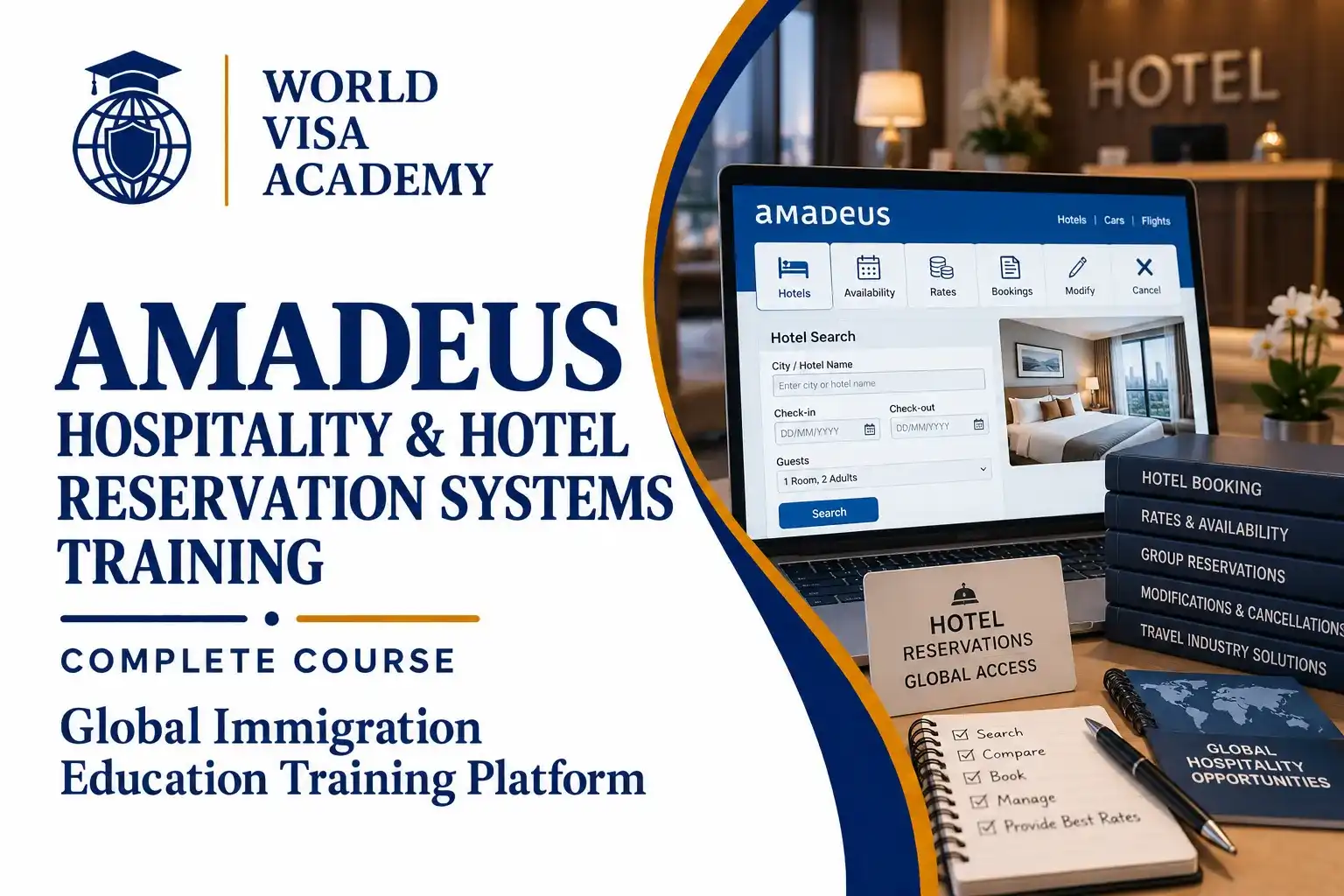
The Amadeus Hospitality & Hotel Reservation Systems Training Course provides practical professional knowledge for travel consultants, hotel reservation professionals and tourism ...
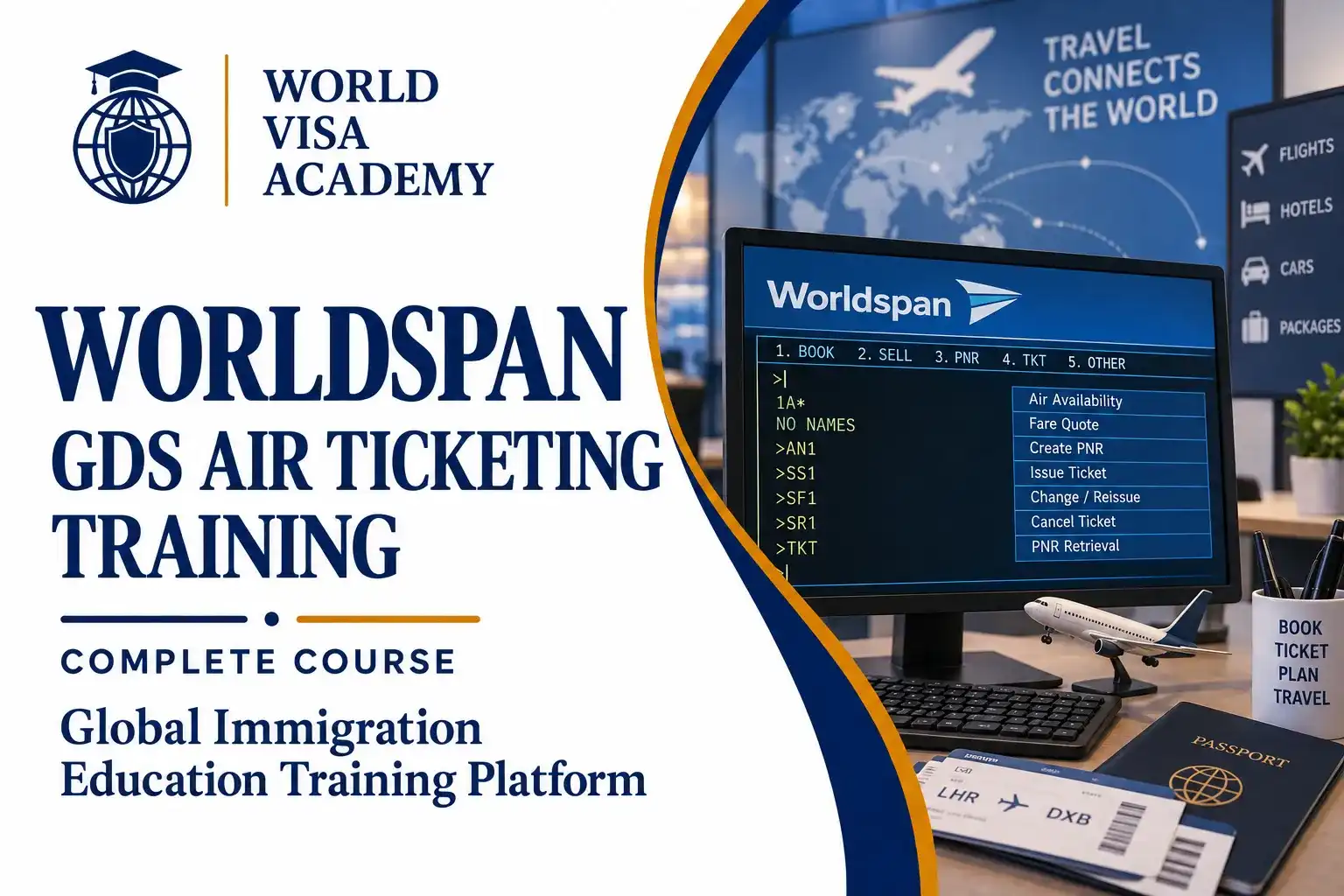
The Worldspan GDS Air Ticketing Training Course provides practical training in Global Distribution System concepts and air-ticketing workflows for travel ...
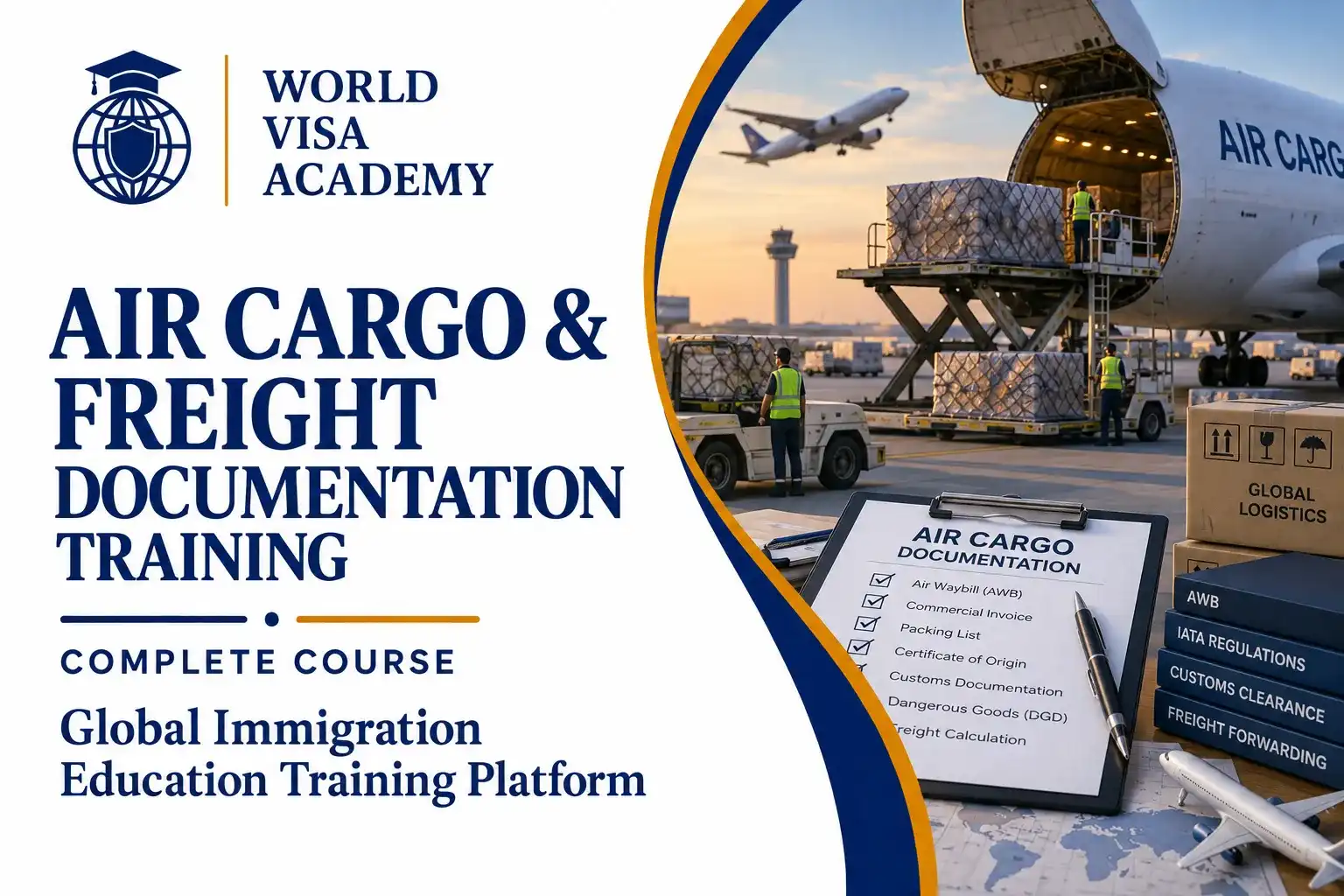
The Air Cargo & Freight Documentation Training Course provides practical professional knowledge for individuals working with air freight, cargo agencies, freight ...