Course Includes:
- Full lifetime access
- Access on any device
- Certificate of Completion


The Canada Post-Graduation Work Permit (PGWP) allows eligible international graduates of qualifying Canadian designated learning institutions to gain Canadian work experience after completing their studies. Eligibility depends on the study programme, institution, application history and other immigration requirements. This training provides immigration professionals with practical knowledge of PGWP eligibility, designated learning institutions, programme requirements, language rules, field-of-study requirements, documentation and application procedures. The course is designed for immigration consultants, education advisers, visa filing professionals and caseworkers handling Canada study-to-work immigration matters. Through World Visa Academy’s structured training, learners develop skills to assess graduate profiles, verify programme eligibility, identify documentation gaps and explain post-study work options. The course also addresses current rules affecting non-degree programmes and the relationship between study-permit application dates and PGWP eligibility.
A structured path from fundamentals to real application
Understand the purpose of the Post-Graduation Work Permit and its role in Canada’s international student and work-permit system. Learn why graduating from a designated learning institution does not automatically guarantee PGWP eligibility and how study-programme and application-history requirements affect assessment.
Learn how to verify whether a student completed a PGWP-eligible programme at a qualifying designated learning institution. Understand programme-duration requirements, full-time study considerations, Quebec-specific requirements and the importance of checking eligibility before advising a student on post-graduation work options.
Master the current language requirements and understand how CLB/NCLC levels apply to different graduates. Study the field-of-study requirement for applicable non-degree programmes and learn how six-digit Classification of Instructional Programs (CIP) codes are used to assess eligibility.
Understand the application workflow, completion evidence, transcripts, proof of language ability, field-of-study evidence and medical-examination considerations. Learn how application timing and the applicant’s location in or outside Canada can affect the process and supporting documentation.
Study what graduates can do while their PGWP application is being processed when the applicable conditions are met, and understand the relationship between Canadian work experience and future immigration planning. Learn how consultants can discuss subsequent pathways without treating PGWP as an automatic route to permanent residence.
The course covers PGWP eligibility, designated learning institutions, programme requirements, language testing, field-of-study rules, documentation, application procedures and post-graduation work considerations. World Visa Academy focuses on practical case assessment so immigration professionals can review student profiles, identify potential eligibility issues and prepare PGWP cases more systematically.
Eligibility generally requires completion of an eligible programme at a PGWP-eligible designated learning institution and satisfaction of the applicable general, study-programme and location requirements. Depending on the graduate’s programme and study-permit application history, language and field-of-study requirements may also apply. Each profile should be assessed against the current rules.
Applicants may need proof that they completed their studies, such as a degree, diploma, certificate, official school letter or transcript, along with evidence of full-time study. Depending on the case, proof of English or French language ability, eligible field of study and an upfront medical examination may also be required.
For applications submitted from November 1, 2024, most applicants must provide English or French language evidence. Applicable non-degree graduates may also need to have completed an eligible field of study linked to current labour-market priorities. Bachelor’s, master’s and doctoral graduates generally do not have a field-of-study requirement.
The course is suitable for immigration consultants, education advisers, visa professionals and caseworkers handling Canadian study-to-work cases. It helps professionals develop practical skills in programme verification, eligibility assessment, language and CIP-code analysis, document review and PGWP application preparation while understanding how graduates may plan their next immigration step.
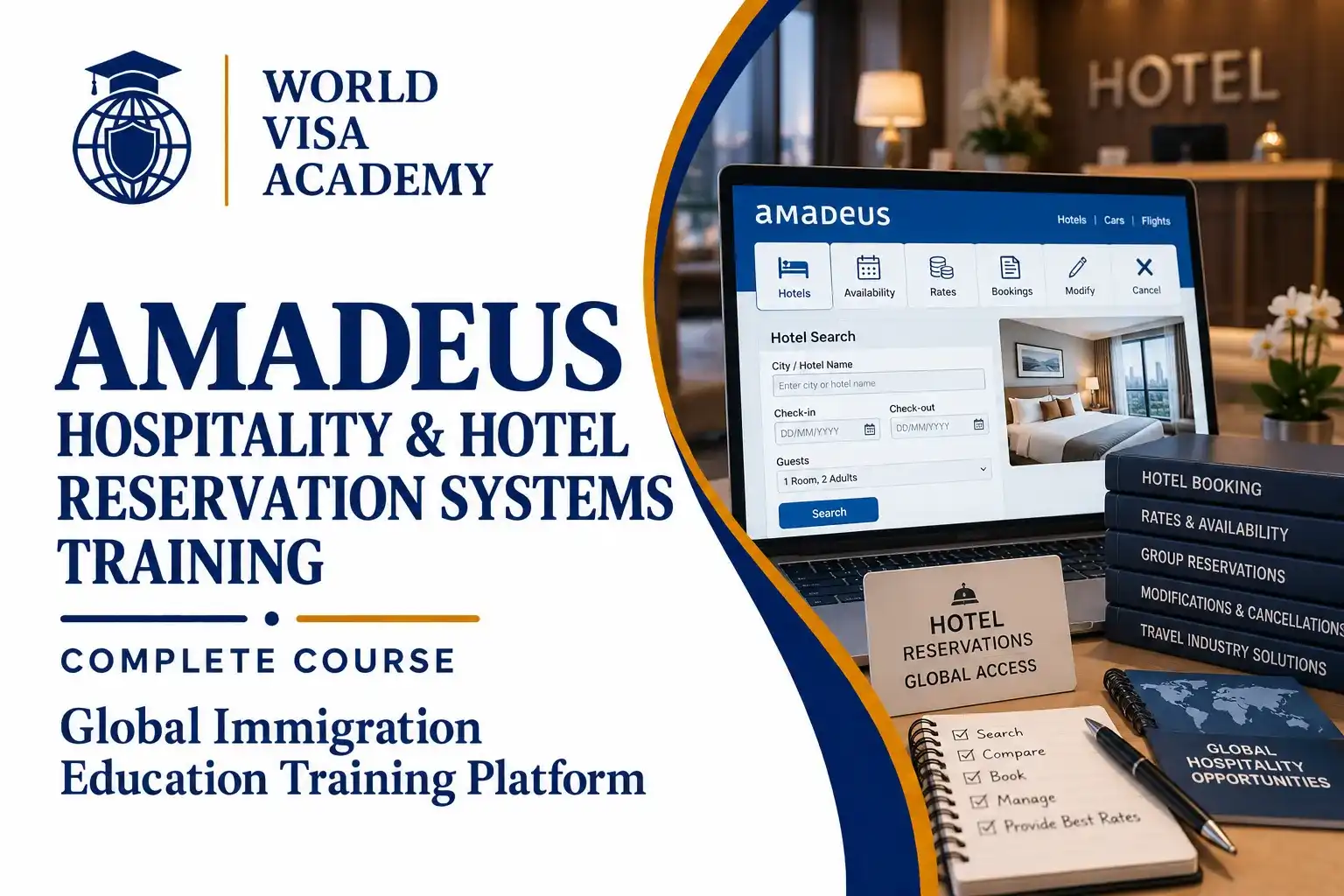
The Amadeus Hospitality & Hotel Reservation Systems Training Course provides practical professional knowledge for travel consultants, hotel reservation professionals and tourism ...
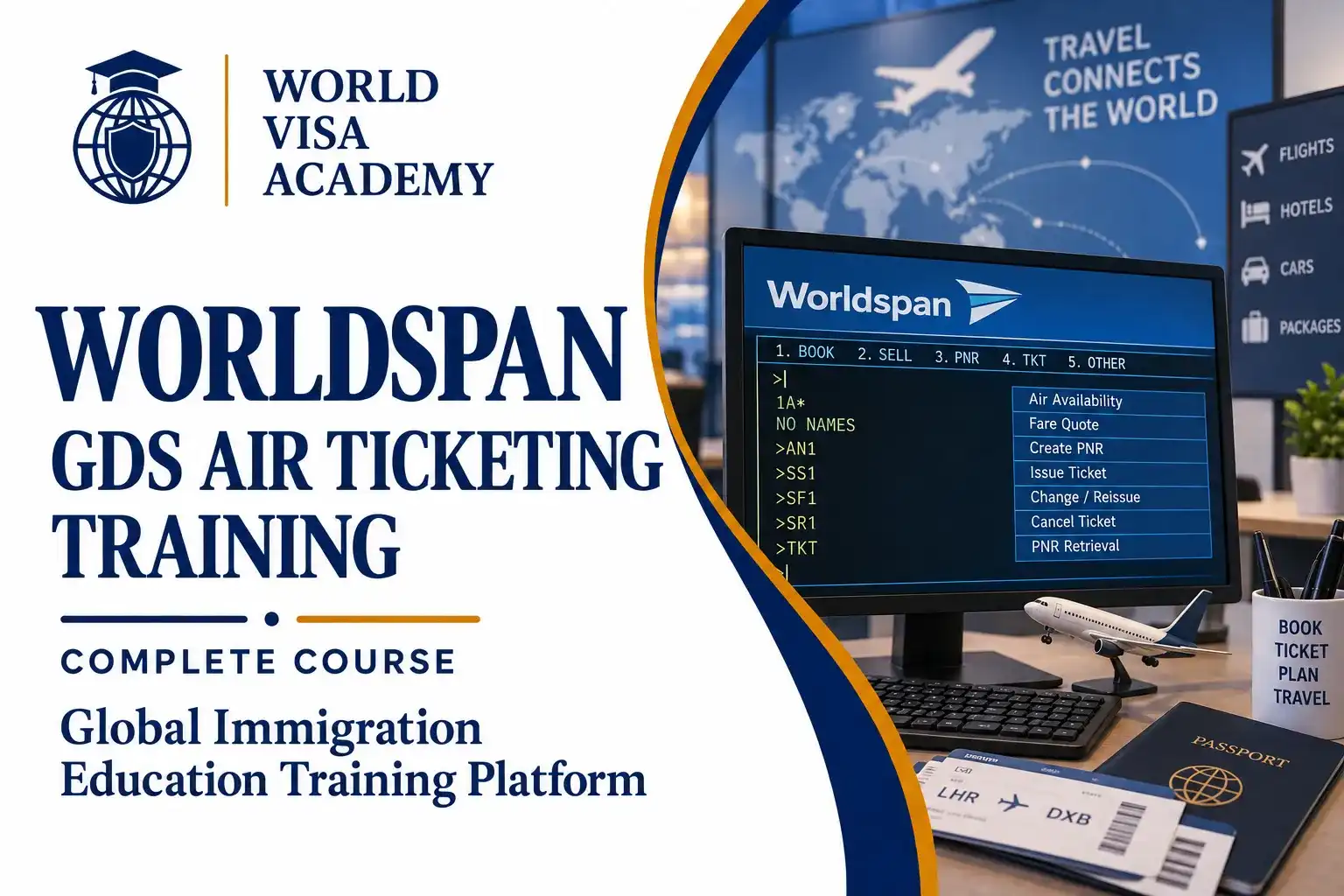
The Worldspan GDS Air Ticketing Training Course provides practical training in Global Distribution System concepts and air-ticketing workflows for travel ...
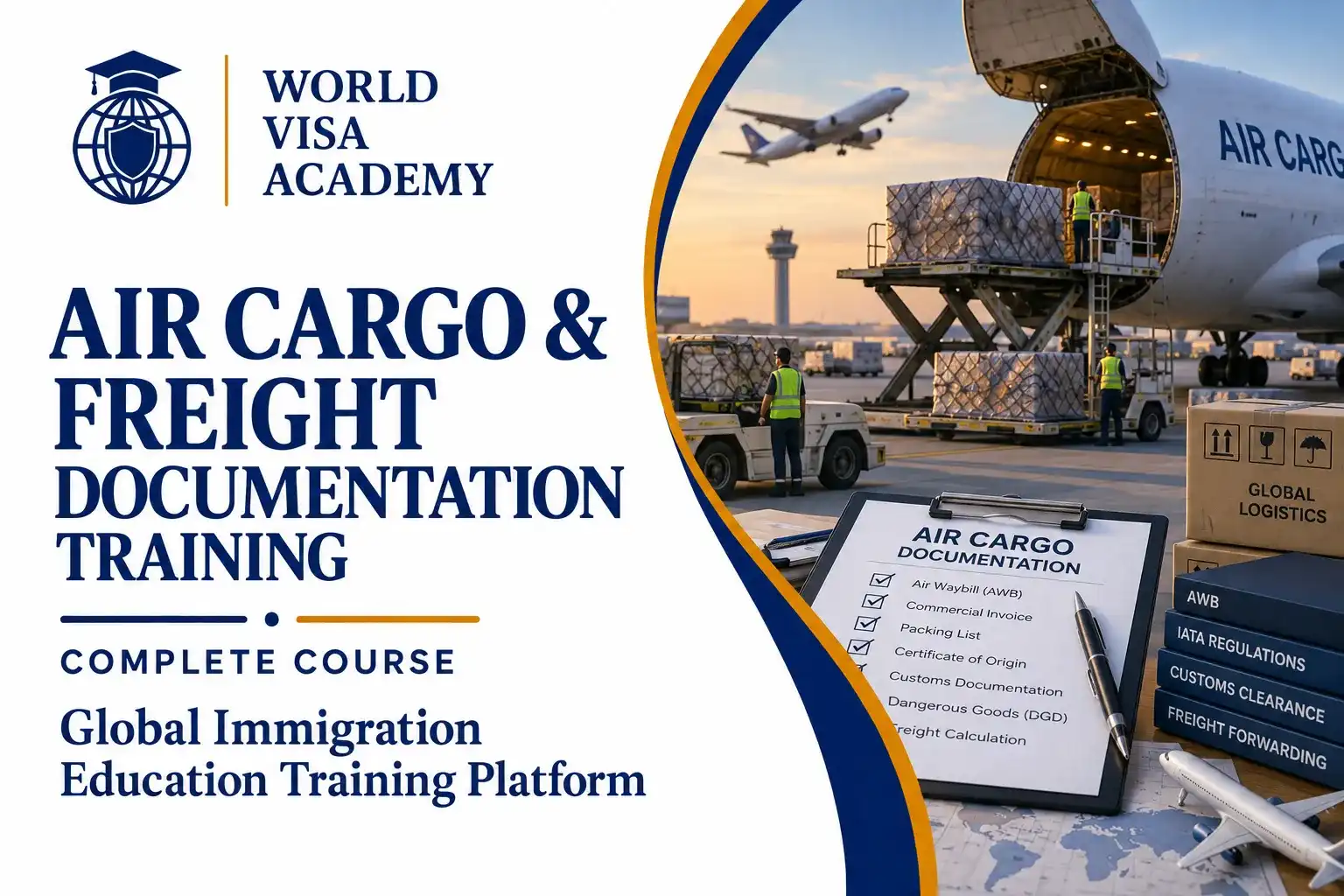
The Air Cargo & Freight Documentation Training Course provides practical professional knowledge for individuals working with air freight, cargo agencies, freight ...