Europe Without the Confusion: Schengen Visa and New Border Rules for Iraqi Passport Holders
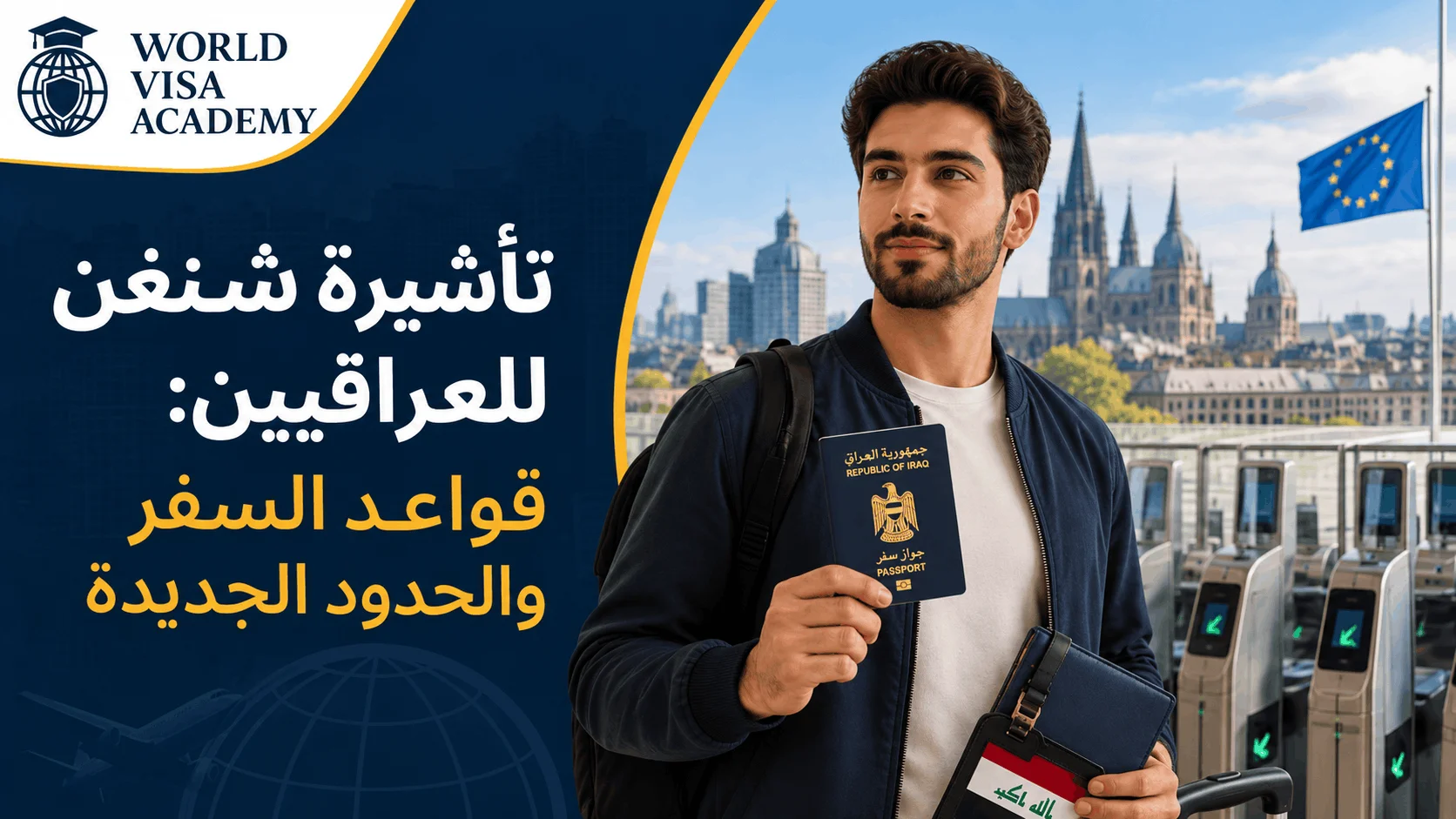

Planning a trip to Europe involves more than booking a flight and applying for a visa. Schengen visa procedures and the EU's new border systems can be confusing when headlines mix up visas, biometric checks and future travel authorisations. This guide helps Iraqi passport holders understand the difference and prepare the right documents for the actual trip.
Quick answer: The EU Entry/Exit System became fully operational on 10 April 2026. It records eligible travellers' border crossings but does not replace a Schengen visa. Iraqi ordinary passport holders should check the visa rules for their specific trip.
The EU Entry/Exit System, known as EES, became fully operational on 10 April 2026. It records entry and exit for covered non-EU travellers making short stays, replacing the old passport-stamping process at participating external borders. For Iraqi passport holders, the important point is that EES does not itself give permission to enter. If your nationality and trip require a Schengen visa, you still need to apply for that visa. The border system records travel; it is not a shortcut around visa rules.
For ordinary Iraqi passport holders, a short visit to the Schengen area generally requires a visa, unless a specific exemption or special status applies. The Schengen area includes many European countries, but not every European country uses the same entry rules. A short-stay visa is normally for visits such as tourism, family visits or business meetings within permitted conditions. It is not general permission to take a job or move permanently. Check the official consulate guidance for the country that is your main destination before choosing an appointment.
If your trip includes several Schengen countries, the application is generally made through the country that is your main destination, assessed by the purpose or longest stay under the applicable rules. If no main destination can be identified, other rules may apply. Do not select an embassy merely because an appointment appears easier to obtain. The application centre may collect documents and biometrics, but the responsible consulate assesses the application. Read its instructions for residents of Iraq, including whether applications are handled locally or through another designated location.
EES is designed to record when eligible non-EU travellers enter and leave participating external borders for short stays. It may involve collecting personal and biometric information according to the system's rules. It can help authorities calculate permitted stays and identify overstays. It does not replace the visa application, remove the need to carry a valid travel document, or guarantee admission. If you have a previous overstay or an entry concern, do not assume a digital border system makes it irrelevant. Seek accurate advice and answer application and border questions truthfully.
ETIAS is a separate electronic travel authorisation planned for visa-exempt travellers visiting participating European countries. The EU has indicated a launch in the last quarter of 2026, with the exact start date to be announced. Iraqi nationals who require a Schengen visa should not treat ETIAS as a substitute for that visa. Because launch dates and eligible nationalities can be misunderstood in online posts, check the official EU travel authorisation website shortly before travel. Do not pay a third-party website that claims to issue an official authorisation before the system has launched or before you confirm eligibility.
The required documents depend on the purpose of travel, but applicants are commonly asked for a passport, application form, photo, travel medical insurance, itinerary, accommodation information, evidence of funds and documents supporting the reason for the trip. A family visit may need an invitation and evidence of the relationship; a business visit may require an employer or meeting letter; tourism may require a coherent itinerary. These are examples, not a universal checklist. Follow the consulate's current list and make sure your documents support the same travel plan rather than contradicting one another.
A financial file should help explain how the applicant will pay for the visit and why the money is available. Bank statements, employment evidence, business records or sponsor documents may be relevant depending on the case and consulate's rules. Avoid unexplained last-minute deposits or statements that do not reflect the applicant's actual circumstances. If another person is paying, clearly describe the relationship and provide the evidence requested. Do not invent a sponsor or borrow money temporarily simply to create a higher balance. There is no single balance that guarantees a Schengen visa for every Iraqi applicant.
Once the visa is issued, check its validity dates, number of entries and permitted duration. A visa valid for multiple entries does not mean unlimited stay, and a visa valid for a certain period does not necessarily allow a traveller to remain for every day in that period. Keep accommodation and return or onward travel details available. Allow time at the border for checks, including EES procedures that apply. If you are connecting through another country, verify whether you need a transit visa. A destination's entry permission does not automatically cover every transit route.
Confirm that you are using the correct visa category and latest official checklist. Check passport validity, photograph specifications, translations and any required legalisation. Compare dates, names, addresses, employment details and travel plans across every document. Make sure financial evidence explains the source and availability of funds, not just the balance. Keep a complete copy of the application and supporting documents. Use only official channels to book appointments and pay government fees. Do not make non-refundable travel bookings before the relevant authority says it is sensible to do so. After a decision, read the letter carefully: a visa may limit how long you can stay, how many times you can enter, or whether you may work or study. Permission to travel is not always the same as permission to enter; border officers apply the destination's entry rules when you arrive.
Use the official immigration department, foreign ministry, embassy or consulate responsible for your destination and visa category. A visa application centre may handle biometrics, appointment logistics or document collection, but normally does not make the final decision. News articles and social posts can help identify a possible change, yet they should not be the only source used to act on it. If two sources disagree, check the date and scope of each notice and contact the responsible office if the answer remains unclear. This article is general educational information for readers in Iraq, prepared for 12 October 2026. Immigration rules, fees, processing arrangements and appointment availability can change. Recheck official instructions on the day you apply and before travelling. World Visa Academy provides immigration education and training; it does not issue visas, control government decisions or guarantee approval. For complicated refusals, overstays, criminal matters, family circumstances or possible inadmissibility, seek advice from a properly authorised immigration professional in the destination country.
Confirm which consulate is responsible, review the issued visa's dates and entries, and check transit and border rules again before departure.
Europe's new border technology does not remove the need to understand your visa. Confirm the responsible consulate's checklist, keep your trip realistic and check official EU guidance again before departure.
Explore World Visa Academy's training resources for visa categories, supporting documents and accurate client guidance.
Explore WVA TrainingOrdinary Iraqi passport holders generally need a short-stay Schengen visa unless a specific exemption applies. Confirm your case with the responsible consulate.
No. EES records border crossings for covered travellers; it is not a visa or travel authorisation.
ETIAS is a planned electronic travel authorisation for eligible visa-exempt travellers. Check the official EU launch and eligibility information.
Generally apply through the country that is your main destination, following the applicable consular rules.
No. Travellers must still meet the visa conditions and border-entry requirements.








Would you like to read this article in Arabic?
0 Comments
Be the first to comment.