Fake UK Care Worker Job Offers: How Nigerians Are Being Scammed
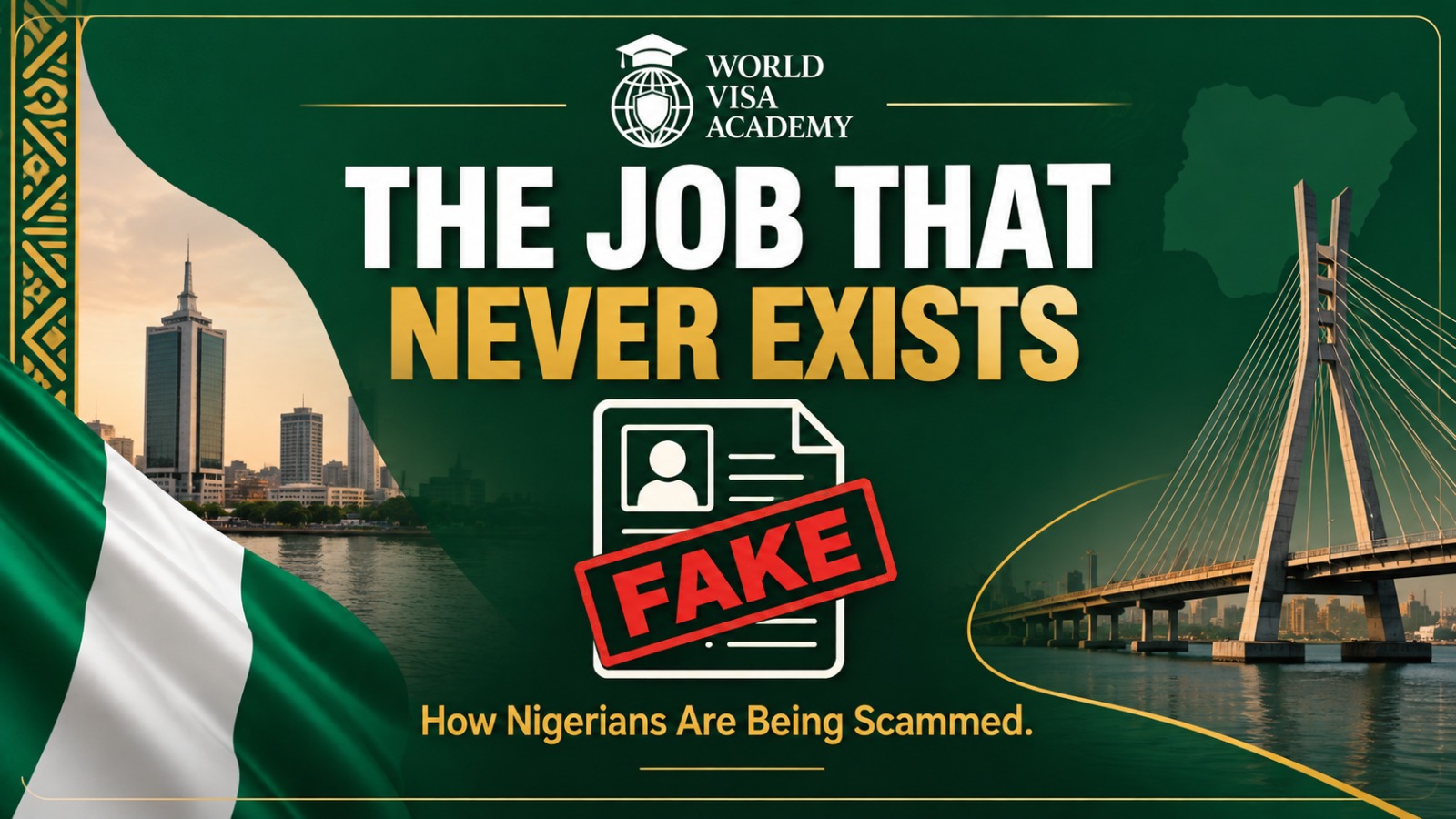
A BBC Africa Eye undercover investigation pulled back the curtain on one of the more devastating patterns in UK immigration fraud right now, agents selling Nigerians fake care worker jobs, collecting thousands of pounds in fees, and leaving people stranded in a foreign country with no job, no income, and no easy way home.
This isn't a fringe problem. It's a well organised, well documented pattern that has affected thousands of people, and understanding exactly how it works is the clearest protection against becoming the next victim.
At the centre of this fraud sits a single document: the Certificate of Sponsorship, or CoS. To apply for the UK's Health and Care Worker visa, an applicant needs a CoS issued by a licensed UK employer, confirming a genuine job offer is waiting for them. This requirement exists to protect the system. Fraudulent agents have turned it into the exact tool they exploit.
The pattern BBC's investigation uncovered works like this. An agent claims connections to UK care homes and offers to sell job placements, sometimes to other recruiters acting as middlemen, who then resell those same slots to desperate job seekers in Nigeria. Selling jobs to candidates this way is illegal in the UK. Some agents issue certificates tied to real UK companies that have wildly overstated their actual hiring capacity. Others go further still, creating entirely fake certificates that never had any legitimate backing at all.
One of the central figures in the BBC investigation was Dr Kelvin Alaneme, a Nigerian doctor who once worked for the NHS and founded an agency called CareerEdu, based in Essex. He claimed to have around 9,800 clients.
In secretly filmed footage, believing he was speaking to a genuine business partner in the UK care sector, Alaneme offered to pay £2,000 per care home job secured, plus a £500 commission, positions he would then sell on to Nigerian job seekers. "Just get me care homes," he told the undercover reporter. "I can make you a millionaire." When confronted, he acknowledged that workers "are not supposed to be paying" for these jobs, but justified it by saying they pay anyway because it's often their only perceived chance. Alaneme has denied running a scam and has said he intends to pursue legal action over the BBC's reporting, maintaining that CareerEdu provides only legitimate services.
The human cost of this becomes clear through the case of a Nigerian man identified only as Praise. He paid over £10,000 believing he had secured a genuine care job with a company called Efficiency for Care, based in Clacton-on-Sea. When he arrived in the UK, there was no job waiting for him at all.
The numbers behind that company tell their own story. Efficiency for Care officially employed just 16 people in 2022 and 152 in 2023. Yet Home Office records showed it had issued 1,234 Certificates of Sponsorship between March 2022 and May 2023, a figure that makes no realistic sense against its actual staffing levels. The UK government revoked the company's sponsorship licence in July 2023, banning it from recruiting foreign workers, though it has continued to operate and has denied involvement in fraudulent recruitment. Praise, meanwhile, was left facing homelessness in a country he had come to for work.
Efficiency for Care wasn't the only case BBC uncovered. A separate recruiter, Nana Akwasi Agyemang-Prempeh, was linked to victims across the UK who say he defrauded them of nearly £67,000, promising care worker jobs that never existed. In his case, some of the Certificates of Sponsorship he handed out weren't misused real documents, they were outright fakes, direct replicas of legitimate certificates designed to look convincing enough to pass scrutiny.
This is worth underlining clearly. Even a Certificate of Sponsorship that looks completely legitimate on the page cannot simply be trusted at face value. It has to be verified directly.
These aren't isolated stories. Between July 2022 and December 2024, the UK government revoked more than 470 care sector sponsorship licences, a wave of action that affected over 39,000 foreign medical professionals and care workers who had been recruited since 2020. That scale reflects just how deeply this kind of abuse had spread through the sponsorship system in a relatively short window.
In direct response to this pattern, new rules took effect in the UK on April 9, 2025, requiring employers to prioritise hiring international care workers who are already in England before recruiting anyone new from overseas. The goal is twofold: to protect workers who came to the UK in good faith and now find themselves without a sponsor after their employer's licence was revoked, giving them a genuine path to alternative jobs, and to reduce the pool of fresh overseas recruitment that fraudulent agents have been exploiting.
For anyone still considering the UK care worker route from Nigeria, this shift matters. The landscape has genuinely tightened, and any agent presenting overseas recruitment as simple, fast or guaranteed right now deserves extra scrutiny rather than less.
The pattern across these cases repeats itself closely enough to build a reliable checklist. Payment requested before a job even begins is the clearest warning sign of all, since no legitimate employer or licensed recruiter asks candidates to pay for a job offer, visa processing, or a "guaranteed placement." Job offers arriving through WhatsApp groups, Telegram channels or unsolicited social media messages, rather than a verifiable employer directly, should be treated with real suspicion. Genuine employer sponsored roles cover visa and documentation costs themselves, or deduct them from salary after employment begins, never before.
| Factor | Legitimate UK Care Job Offer | Common Scam Pattern |
|---|---|---|
| Payment before employment | Never required | Frequently demanded, often £5,000 to £10,000+ |
| Certificate of Sponsorship | Verifiable directly through official channels | Sometimes fake, sometimes tied to a company vastly overstating its hiring |
| Contact method | Direct employer or licensed, registered agency | WhatsApp, Telegram, informal social media contact |
| Job offer letter | Formal, verifiable documentation provided | Often vague, minimal, or entirely absent |
| Urgency | No pressure to pay quickly | Heavy pressure, "limited slots," act now framing |
| Company staffing vs CoS issued | Roughly proportional | Wildly mismatched, as seen in the Efficiency for Care case |
Anyone advising Nigerian clients on UK care sector opportunities carries real responsibility here. This is a well documented, ongoing pattern, not a rare exception, and clients deserve to hear the specific mechanics of how it works, not just a general warning to "be careful." Walking a client through exactly how to verify a Certificate of Sponsorship, and why a company's staffing numbers matter, is one of the most concrete, protective pieces of advice a consultant can offer.
World Visa Academy's accredited training covers Certificate of Sponsorship verification, real fraud patterns, and ethical recruitment standards used by consultants worldwide.
Explore WVA CoursesAgents charge desperate job seekers thousands of pounds, in documented cases as much as £10,000 or more, for what they present as a guaranteed UK care worker job with a Certificate of Sponsorship attached. Victims often discover upon arrival in the UK that no real job exists, or that the company named on their visa has issued far more sponsorship certificates than it could possibly employ people for.
A Certificate of Sponsorship is a document a licensed UK employer must issue to confirm a genuine job offer, required for a Health and Care Worker visa application. Fraudulent agents exploit this requirement by selling access to certificates, sometimes tied to real companies that have wildly overstated their hiring capacity, and in some documented cases, by issuing entirely forged certificates.
Between July 2022 and December 2024, the UK government revoked more than 470 care sector sponsorship licences, affecting over 39,000 foreign medical professionals and care workers recruited since 2020, reflecting just how widespread abuse of the sponsorship system had become during that period.
New rules effective April 9, 2025 require UK employers to prioritise hiring international care workers already in England before recruiting anyone new from overseas. This aims to protect workers whose sponsors have lost their licences while also reducing the pool of fresh overseas recruitment that fraudulent agents have been exploiting.
Never pay any fee before a formal job offer and Certificate of Sponsorship are confirmed, and independently verify the employer's sponsorship licence through official UK government channels rather than trusting documents an agent shows you directly. Be especially cautious of offers arriving through WhatsApp or Telegram groups, and treat any pressure to pay quickly for a "limited slot" as a serious warning sign.








0 Comments
Be the first to comment.